Description
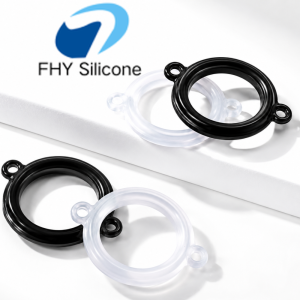
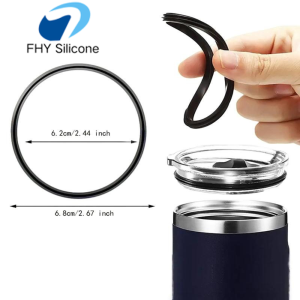
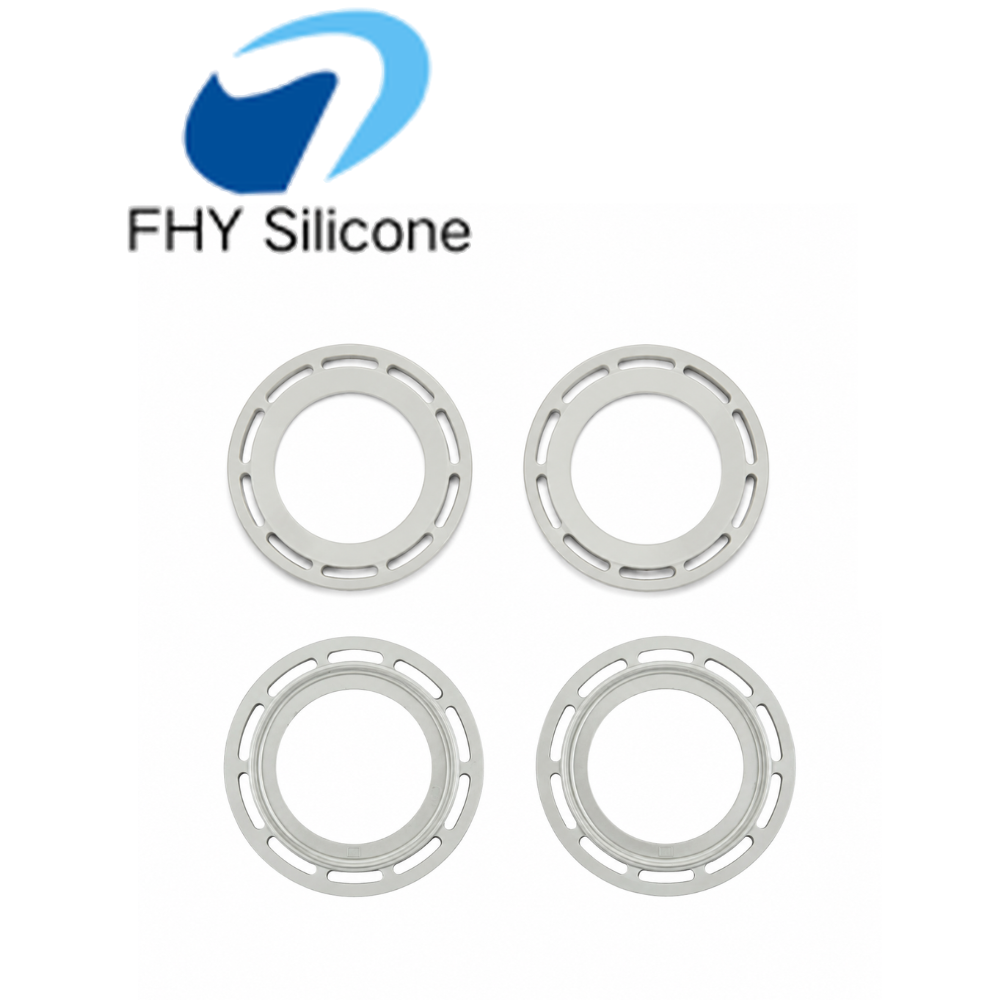
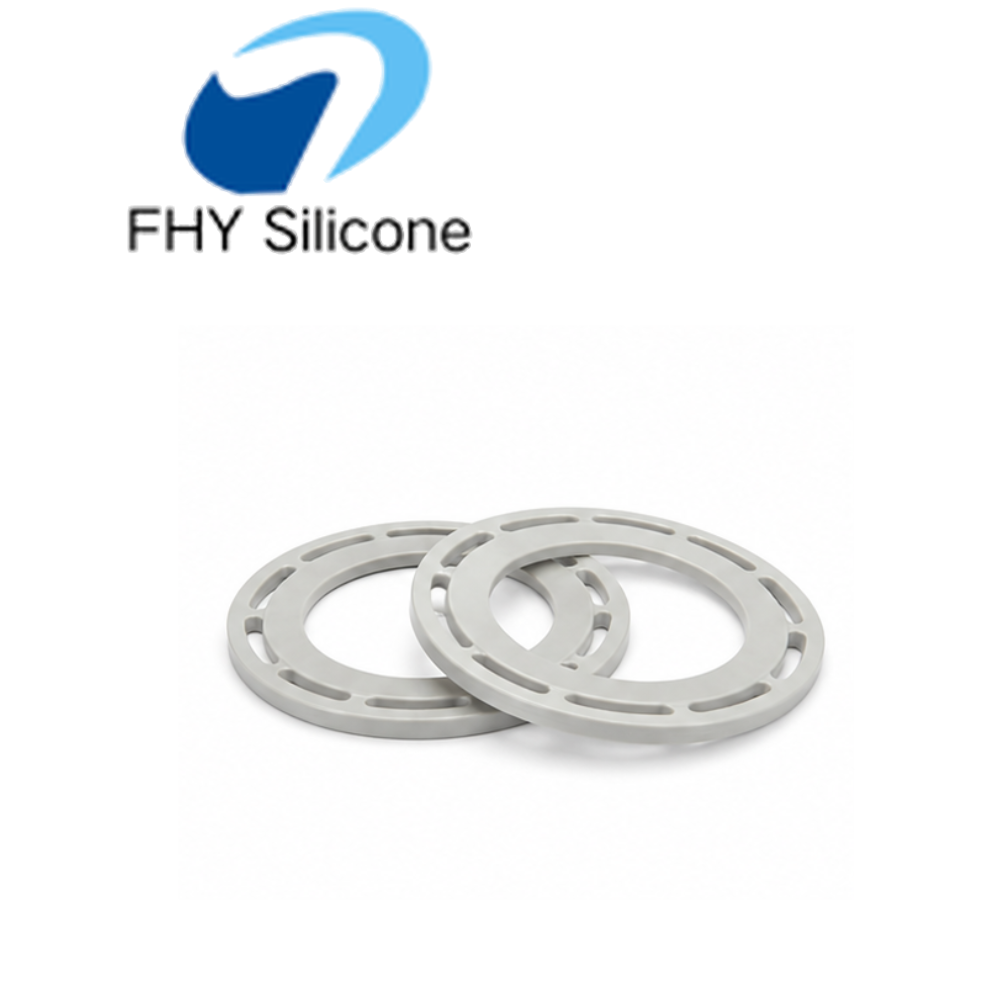
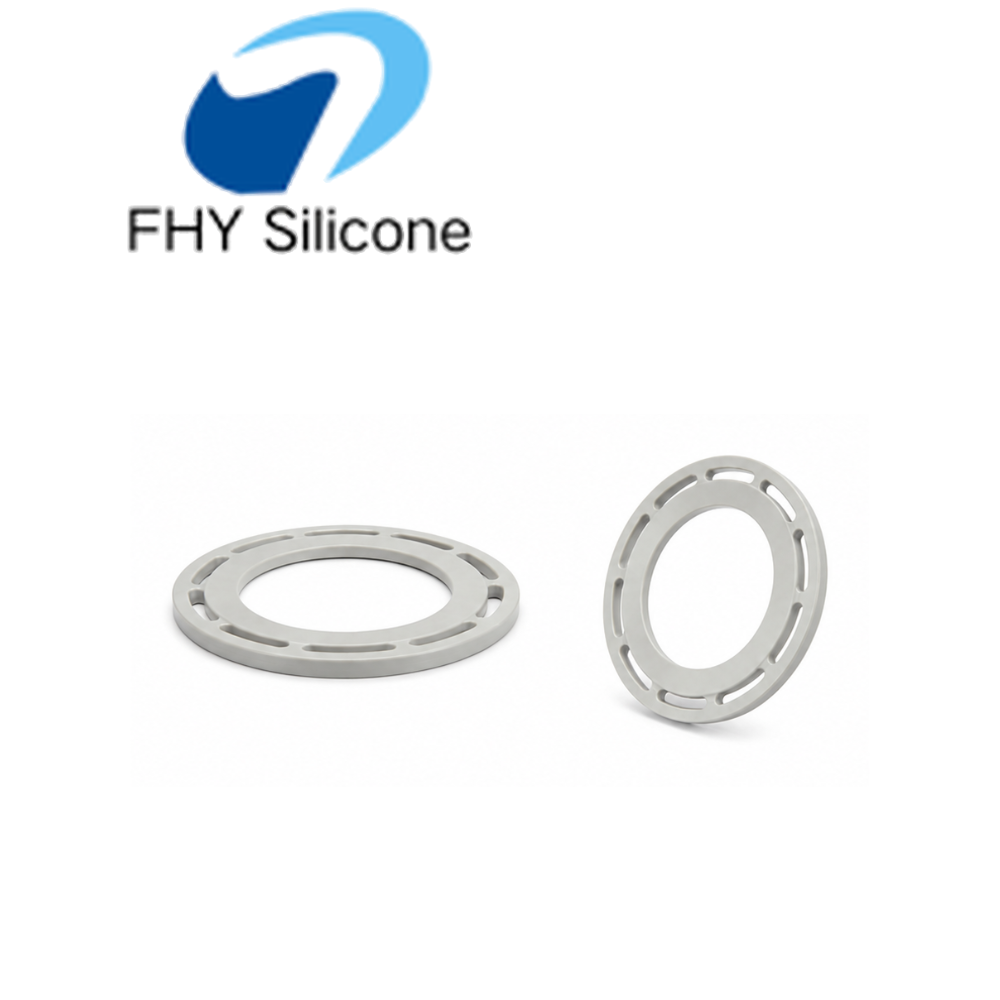
This seal ring is useful when a tumbler lid requires a custom waterproof interface rather than a standard-size gasket. The original product is an industrial waterproof seal, so for drinkware it should be re-engineered around the lid groove, compression target and required material standard—not simply relabeled.
Silicone elasticity and compression recovery are the main functional advantages carried over from the source design. For a tumbler program, those properties can support repeated lid opening and closing, provided the compound and final geometry are selected for the actual beverage-contact and cleaning conditions.
Adapting a Waterproof Seal to a Tumbler Closure
- Source function: waterproof sealing against liquid, moisture and dust.
- The source emphasizes elasticity, compression recovery and dimensional stability.
- Size, hardness, color and material formulation can be customized.
- Use drawings or samples to define the final closure geometry.
- For beverage-contact use, specify the required food-contact material and validation criteria in the RFQ.
Typical Tumbler Applications
- Custom lid groove seals
- Large tumbler closure rings
- Water-resistant cap interfaces
- Prototype drinkware closures
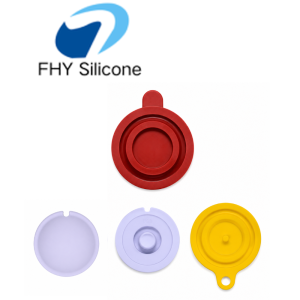
- Special bottle-cap gaskets
What to Define Before Tooling
For a reliable quotation and mold review, the silicone part should be specified together with the mating lid or cup geometry. The most useful project inputs are:
- Seal cross-section
- Groove geometry
- Compression target
- Cleaning temperature and chemical exposure
- Food-contact compliance requirement
RFQ and Sample Review
If you already have a lid drawing or an existing gasket sample, send the assembled dimensions as well as the seal groove details. We can use those inputs to review moldability and define a sample-confirmation plan before volume production.