Description
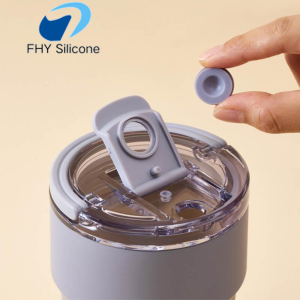
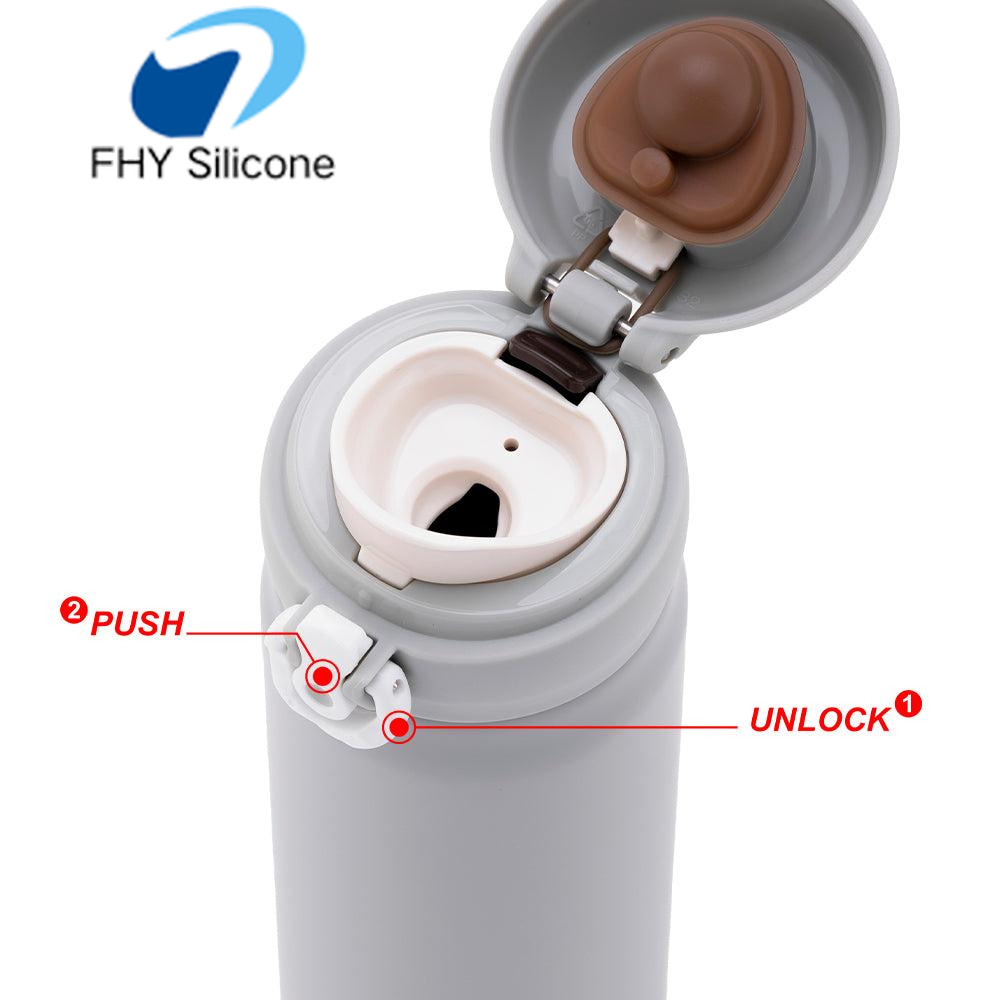
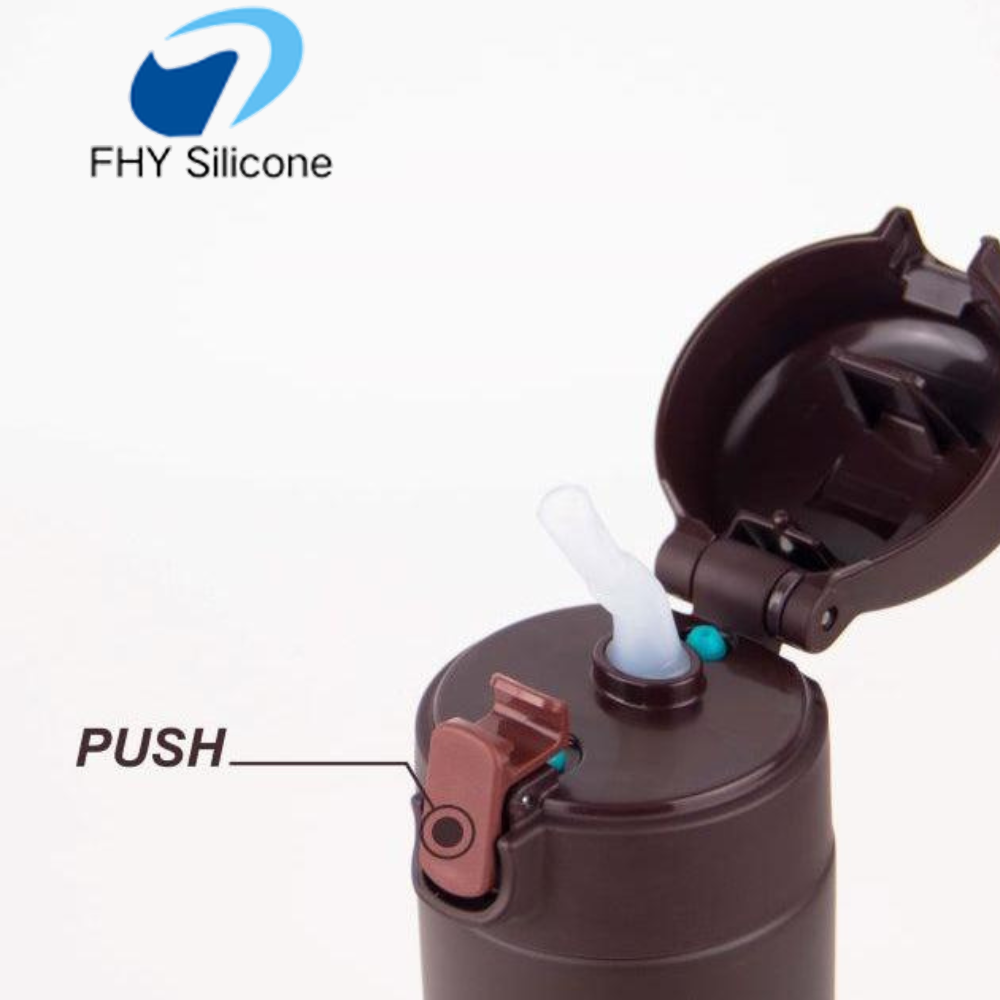
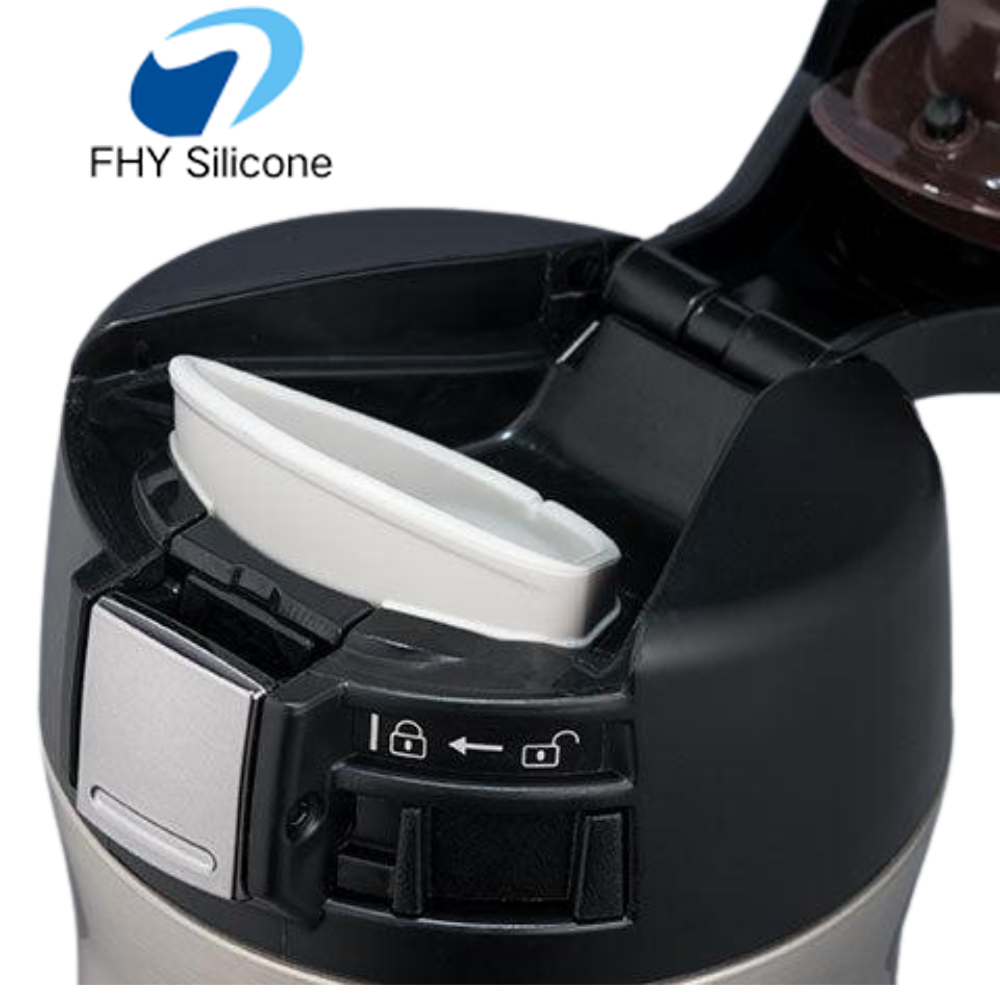
Flip-top tumbler lids often need a compact soft component between the user’s finger and the internal locking mechanism. This molded silicone push button is intended for that interface, providing a flexible actuation surface that can also help close gaps around the button opening.
Button feel is not determined by silicone hardness alone. The button wall, travel distance, contact area and the geometry of the plastic latch all influence the force required to open the lid. For that reason, the silicone part should be evaluated as part of the complete lid assembly.
Tactile Response and Lid Integration
- Source function: lid release, locking and actuation.
- Hardness is listed as customizable from 30A to 70A.
- Single-button and integrated mechanism structures are supported.
- Food-grade or industrial-grade silicone options are listed in the source data.
- Compression or injection molding can be used according to the final design.
Source-Based Technical Options
| Material | Silicone Rubber (Food / Industrial Grade) |
|---|---|
| Hardness Range | 30A – 70A (customizable) |
| Function | Lid release / locking / actuation |
| Temperature Range | -40°C to 200°C |
| Color Options | Transparent / Black / Custom |
| Structure | Single button / integrated mechanism |
| Certification | FDA / LFGB (optional) |
| Process | Injection / Compression Molding |
Typical Tumbler Applications
- Flip-top tumbler lids
- Thermos bottle caps
- Travel mug closures
- Sports bottle lids
- Portable beverage containers
What to Define Before Tooling
For a reliable quotation and mold review, the silicone part should be specified together with the mating lid or cup geometry. The most useful project inputs are:
- Button diameter and travel
- Target pressing force
- Interface with the plastic latch
- Sealing lip or flange geometry
- Color and food-contact requirement
RFQ and Sample Review
For lid assemblies, a complete CAD stack-up is preferred because the silicone part interacts with rigid components, tolerances and moving mechanisms. Sample approval should be performed on the assembled lid.