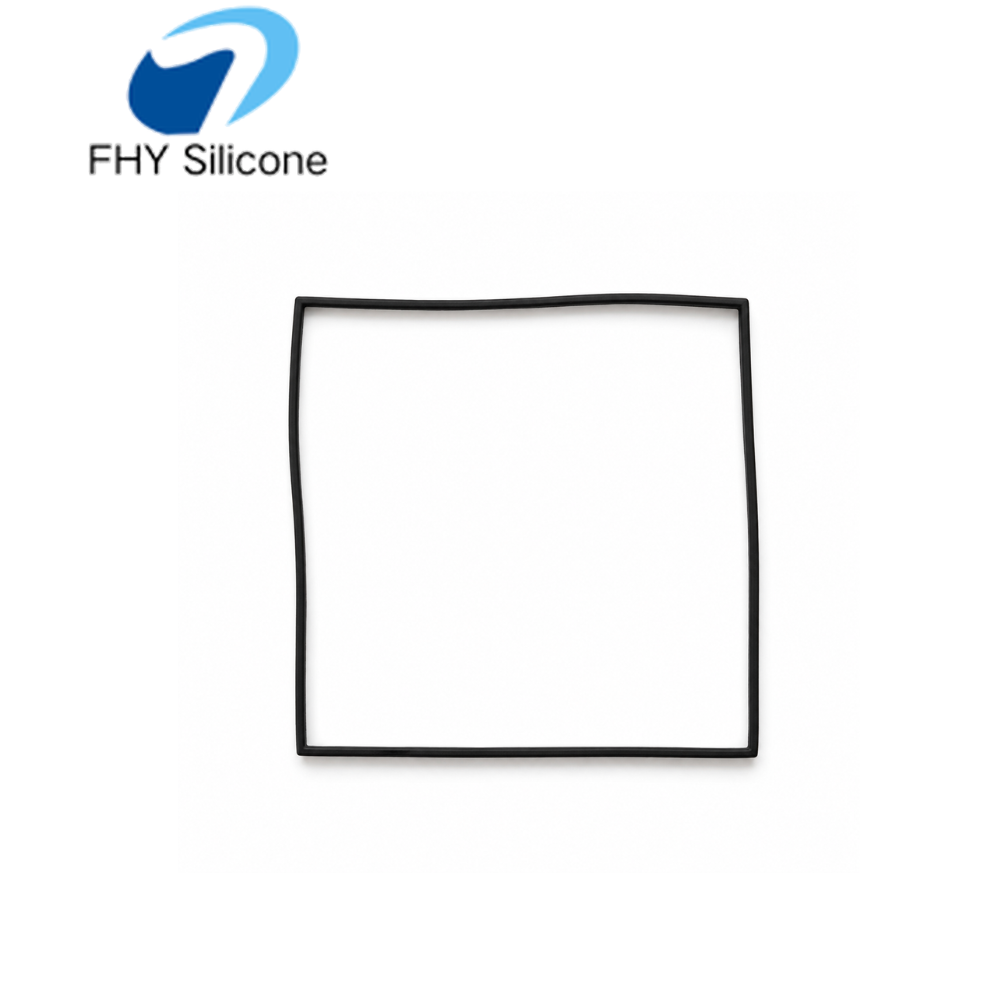
Description
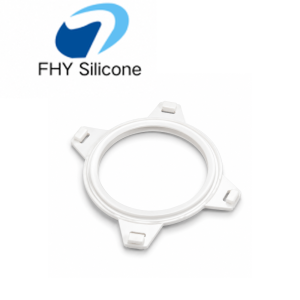
This custom silicone gasket is a good fit for tumbler projects that use a non-standard groove or lid geometry. Unlike a catalogue O-ring, the part can be molded as a square, round, rectangular or application-specific seal to follow the actual closure surface.
The original product was developed for waterproof sealing in housings and covers. For drinkware, the same geometry-driven approach can be applied to a tumbler lid provided the silicone grade and compliance requirements are defined for the intended beverage-contact conditions.
Custom Geometry for Lid Grooves
- Square, round, rectangular and custom shapes are supported.
- Hardness, size, cross-section and color are customizable.
- The source process is compression molding / custom molding.
- Primary functions are waterproof sealing, dust protection and leak prevention.
- This source record does not specify food-contact certification; include the required standard in the drinkware RFQ.
Source-Based Technical Options
| Material | Silicone |
|---|---|
| Color | Black or custom colors |
| Shape | Square, round, rectangular, or custom shape |
| Hardness | Customizable |
| Function | Waterproof sealing, dustproof protection, leak prevention |
| Process | Compression molding / custom molding |
| Application | Equipment housing, water tank, cover plate, electronic device, machinery parts |
| Custom Options | Size, shape, color, hardness, cross-section, packaging |
Typical Tumbler Applications
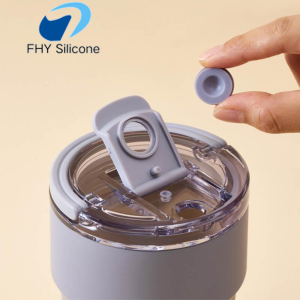
- Custom tumbler lid grooves
- Bottle-cap sealing interfaces
- Large-format lid gaskets
- Irregular closure profiles
- Prototype drinkware sealing projects
What to Define Before Tooling
For a reliable quotation and mold review, the silicone part should be specified together with the mating lid or cup geometry. The most useful project inputs are:
- 2D/3D gasket geometry
- Groove dimensions
- Target compression
- Contact medium and temperature
- Required food-contact standard
RFQ and Sample Review
If you already have a lid drawing or an existing gasket sample, send the assembled dimensions as well as the seal groove details. We can use those inputs to review moldability and define a sample-confirmation plan before volume production.