Description
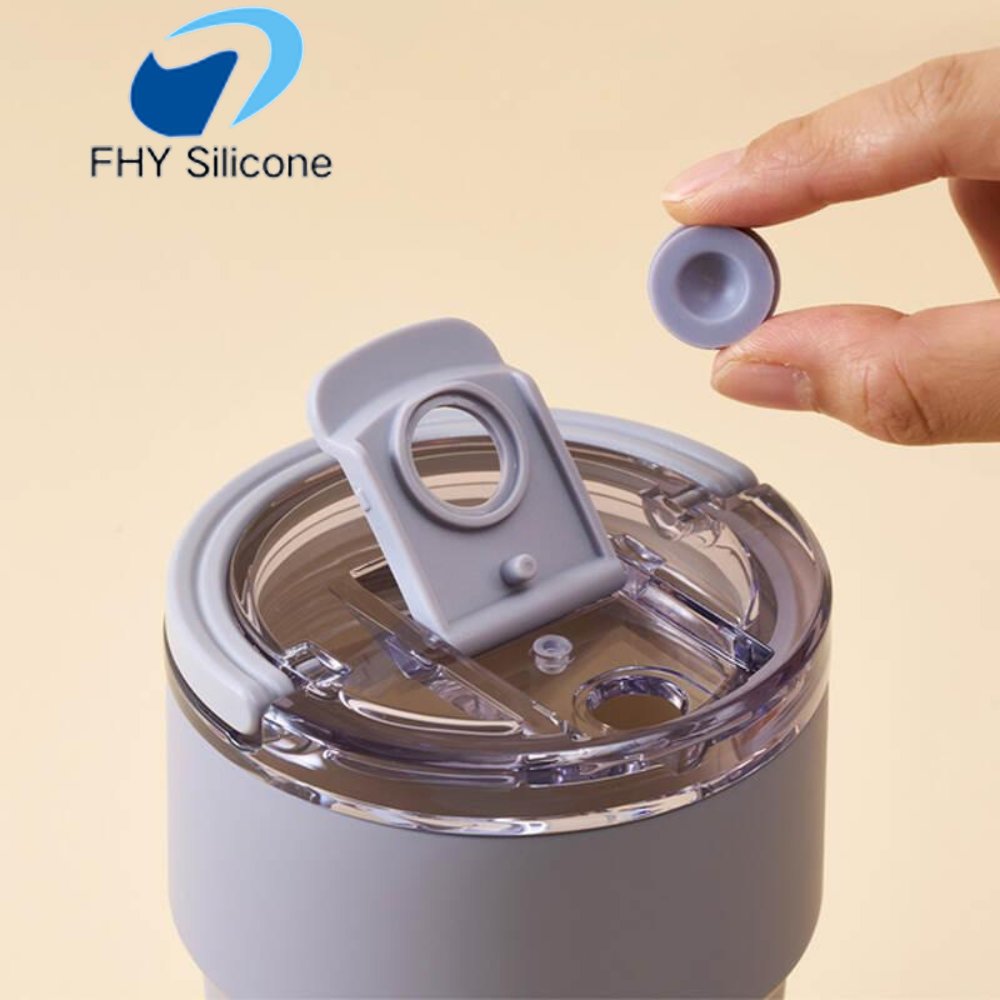
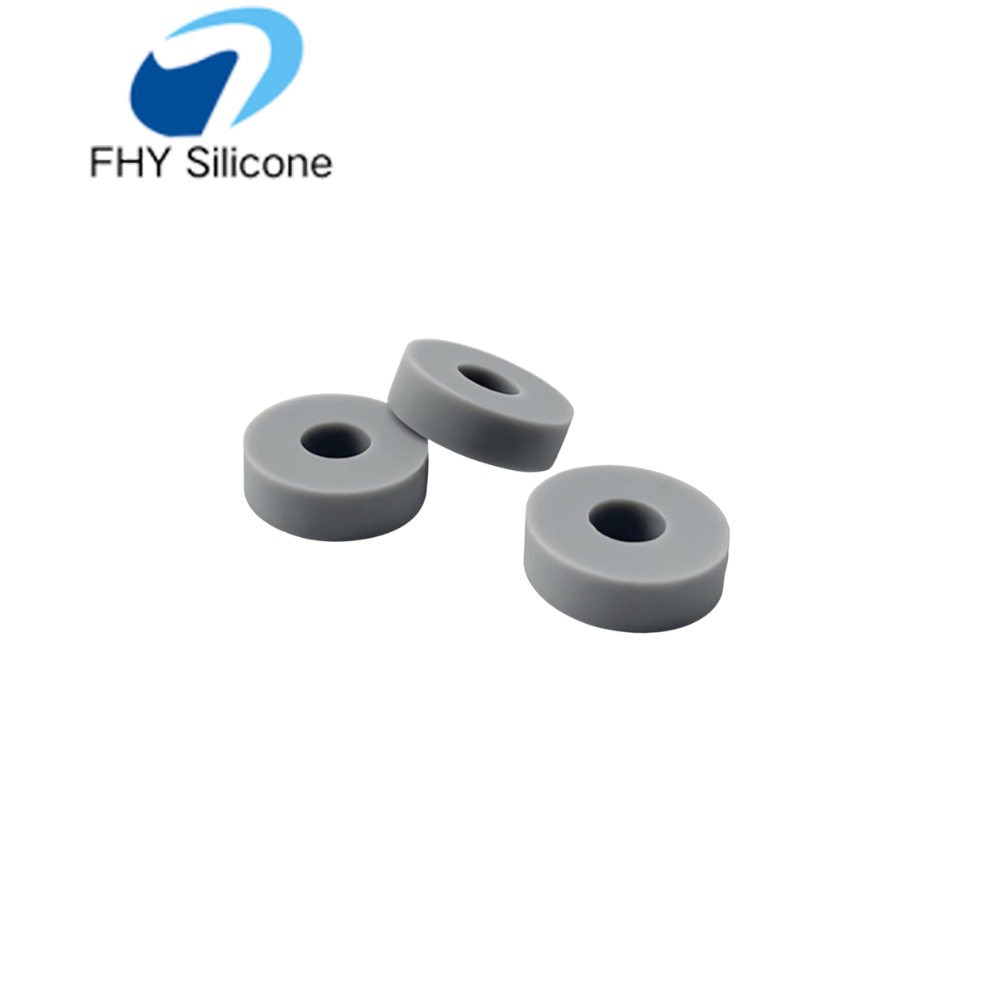
Not every silicone part inside a tumbler lid is a gasket. A small cushion pad can be used where two rigid components repeatedly strike, snap or rest against each other, helping reduce noise and local impact without changing the main plastic structure.
The source product is defined as a shock-absorbing and noise-reducing silicone buffer. In drinkware, that makes it useful around lid mechanisms, hinges, locking parts or other contact points where repeated closure can otherwise create rattling or hard impact.
Buffering Inside the Lid Assembly
- Source functions include shock absorption, buffering and noise reduction.
- Hardness is listed as customizable from 20A to 70A.
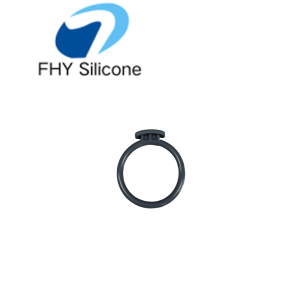
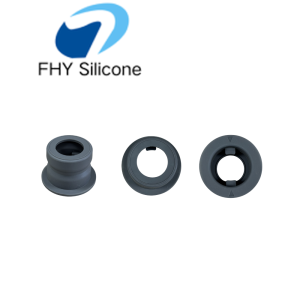
- Flat pad, ring and shaped-buffer structures are supported.
- Food-grade or industrial-grade silicone options are listed.
- The source temperature range is -40°C to 200°C.
Source-Based Technical Options
| Material | Silicone Rubber (Food / Industrial Grade) |
|---|---|
| Hardness Range | 20A – 70A (customizable) |
| Function | Shock absorption / buffering / noise reduction |
| Temperature Range | -40°C to 200°C |
| Color Options | Transparent / Black / Custom |
| Structure Type | Flat pad / ring / shaped buffer |
| Certification | FDA / LFGB (optional) |
| Process | Compression / Injection Molding |
Typical Tumbler Applications
- Flip-top lid mechanisms
- Latch contact points
- Tumbler cap inserts
- Thermos closure assemblies
- Reusable drinkware components requiring quiet operation
What to Define Before Tooling
For a reliable quotation and mold review, the silicone part should be specified together with the mating lid or cup geometry. The most useful project inputs are:
- Contact location and available space
- Pad thickness and compression
- Hardness and rebound target
- Retention method
- Food-contact requirement if the pad is exposed to the beverage path
RFQ and Sample Review
For lid assemblies, a complete CAD stack-up is preferred because the silicone part interacts with rigid components, tolerances and moving mechanisms. Sample approval should be performed on the assembled lid.