
Description
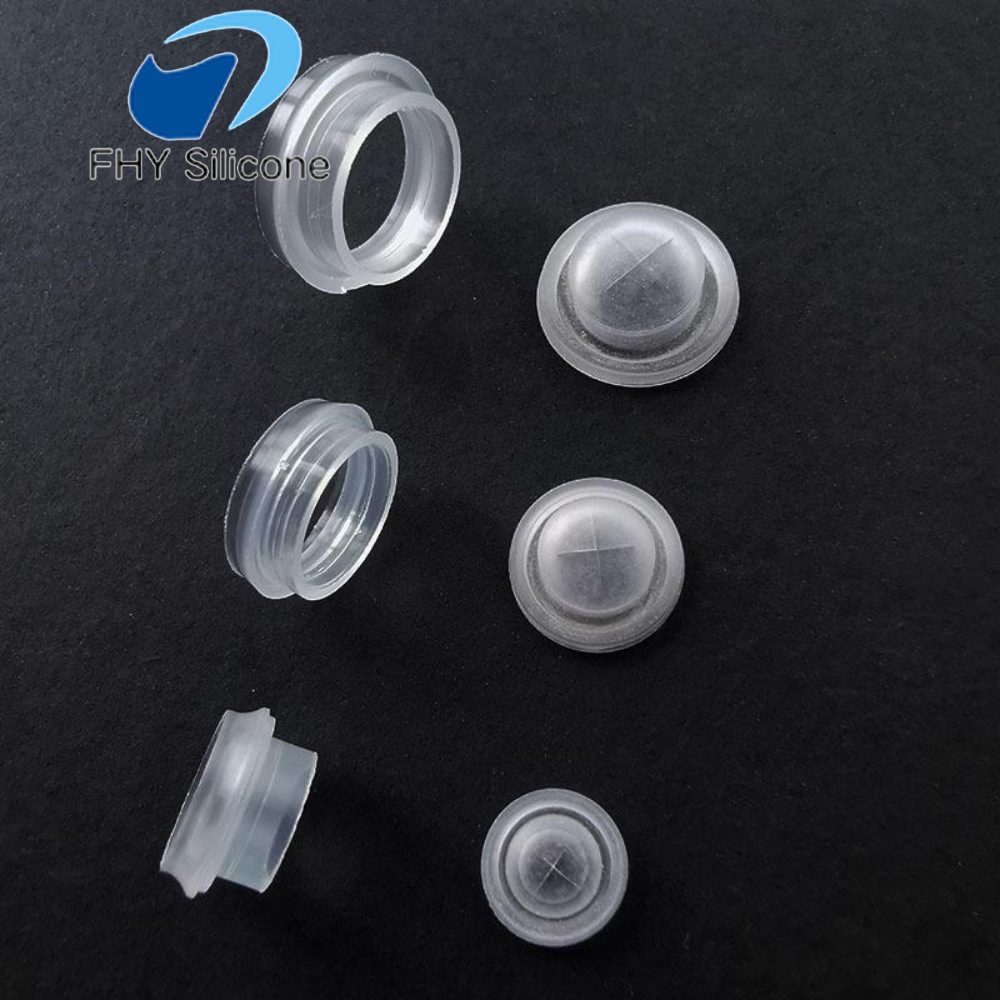
This one-way silicone valve is designed for the fluid path inside a tumbler lid rather than for the exterior of the cup. Installed behind a straw opening or drinking spout, the flexible valve opens under pressure and returns toward the closed position when the pressure is removed.
That response can help a lid designer manage three connected issues: liquid flow, backflow and leakage around the drinking channel. The final behavior depends on the valve geometry as well as silicone hardness and wall thickness, so the part should be developed around the actual lid and straw dimensions.
Flow-Control Options for Tumbler Lid Design
- Food-grade silicone rubber is specified in the source product data.
- Supported structures include slit, cross and duckbill valve designs.
- Hardness is listed as customizable from 20A to 60A.
- The source temperature range is -40°C to 200°C.
- FDA / LFGB material certification is listed as an optional requirement.
Source-Based Technical Options
| Material | Food Grade Silicone Rubber |
|---|---|
| Function | One-way liquid flow control |
| Hardness Range | 20A – 60A (customizable) |
| Temperature Range | -40°C to 200°C |
| Color | Transparent / White / Custom |
| Structure | Slit valve / cross valve / duckbill valve |
| Certification | FDA / LFGB (optional) |
| Process | Injection / Compression Molding |
Typical Tumbler Applications
- Insulated tumbler straw lids
- Water bottle caps
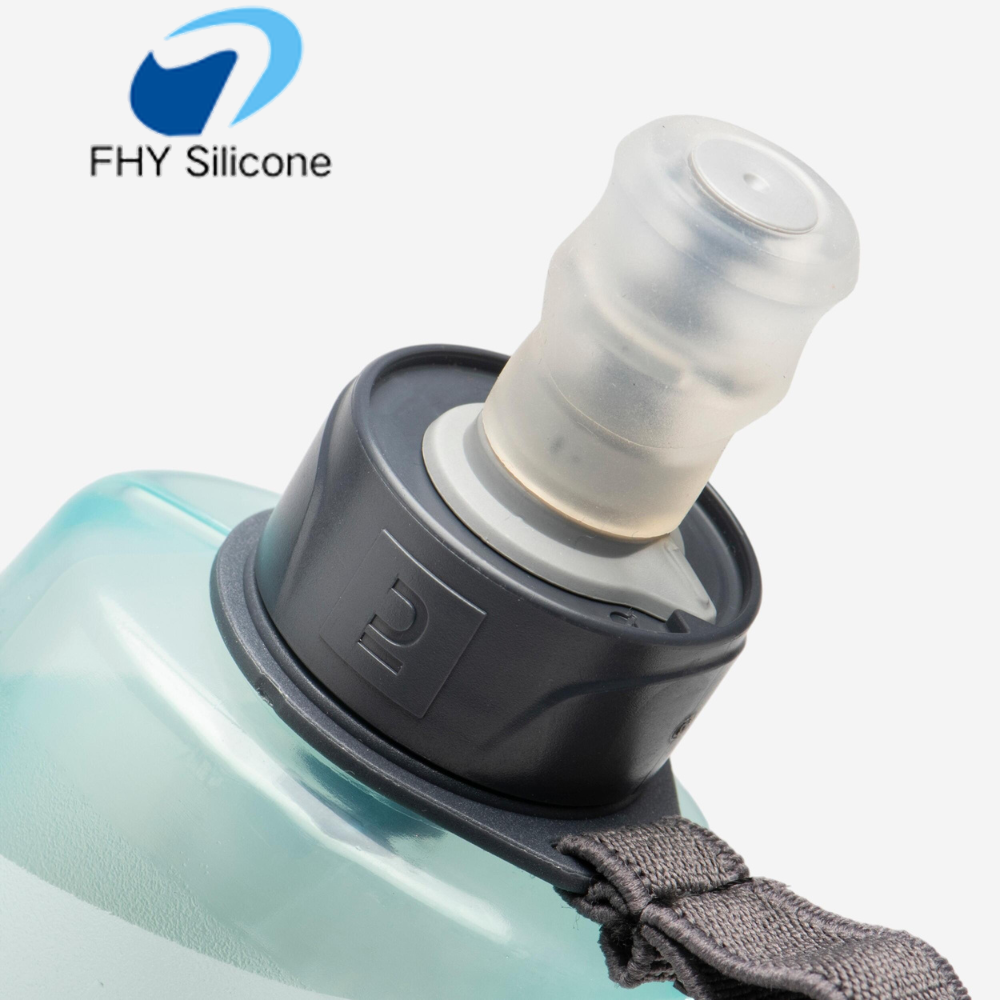
- Sports bottle drinking systems
- Travel mug spouts
- Reusable straw-cup closures
What to Define Before Tooling
For a reliable quotation and mold review, the silicone part should be specified together with the mating lid or cup geometry. The most useful project inputs are:
- Valve type and slit geometry
- Opening force and desired flow rate
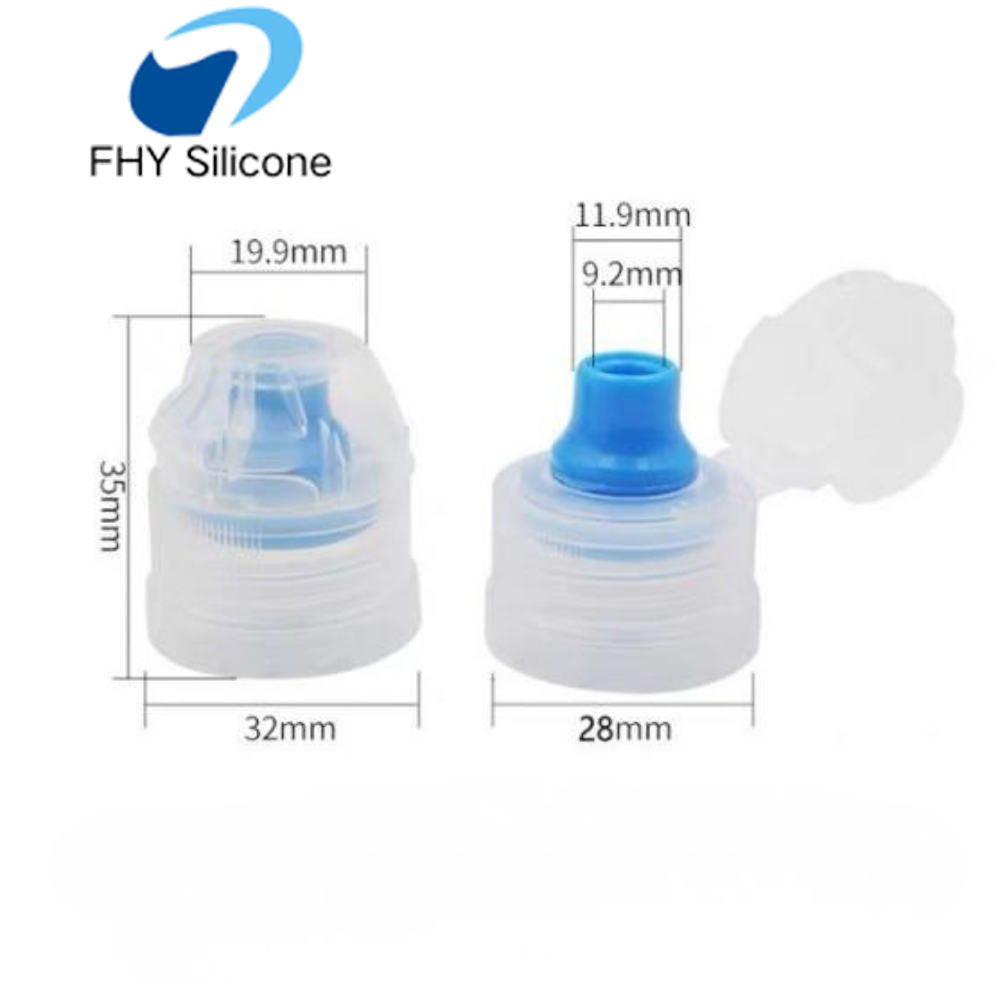
- Straw or port diameter
- Retention flange and installation direction
- Target material/compliance requirement
RFQ and Sample Review
For valve projects, include the target liquid path, opening behavior and pressure/flow expectations in addition to the mechanical drawing. Those details are necessary to evaluate the slit, wall section and retention geometry.